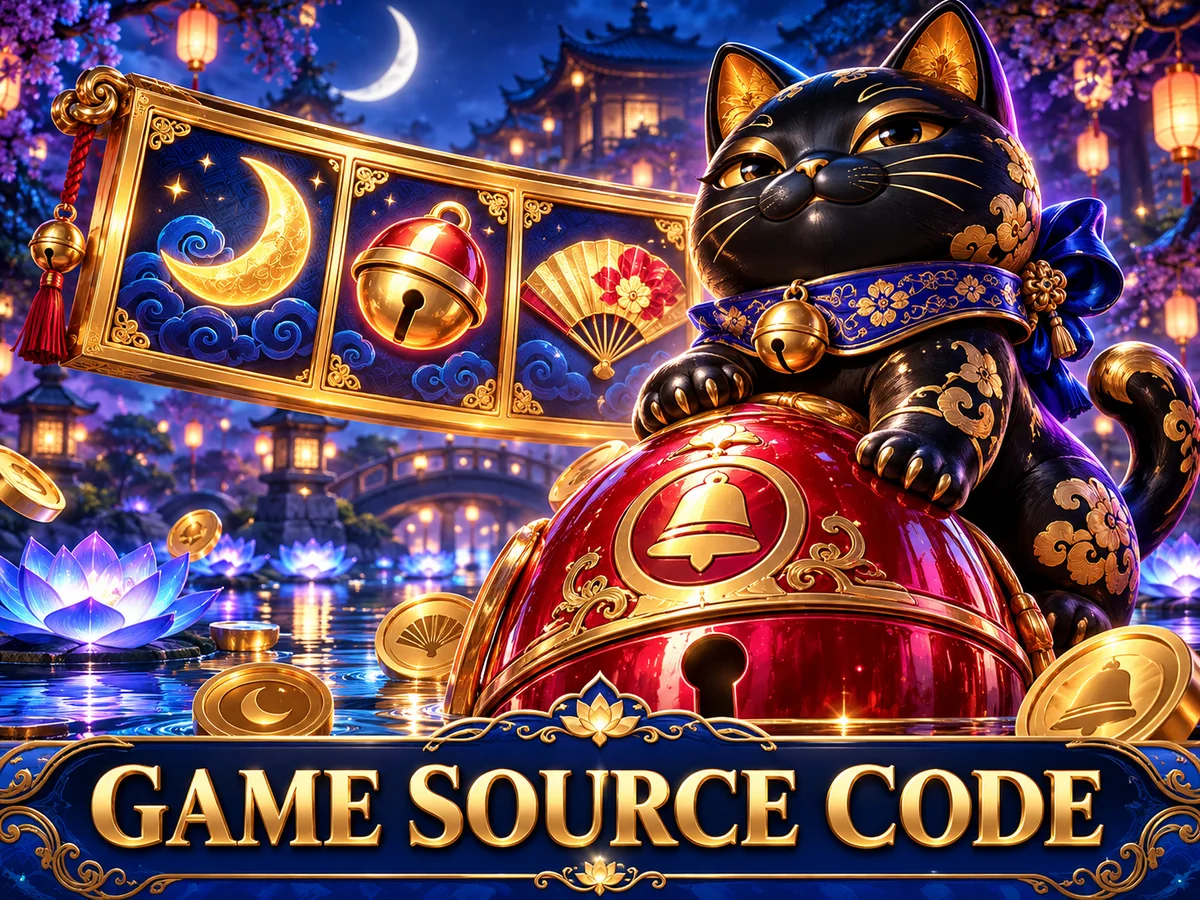
Some game characters are lively in the advertisement and almost absent from the experience that follows. Once the game opens, they become a looping animation beside the board. A lucky cat offers more possibilities than that. A raised paw, a round silhouette and a small bell already suggest a cheerful personality. The interesting question is whether those details can also help explain what is happening.
Lucky Neko is a useful reference because its cat is connected to an event, rather than existing only as decoration. A familiar image acquires a specific purpose at a particular moment. That relationship is worth exploring when developing an original mascot-led slot.
Give the cat a reason to appear
PG Soft's game information describes four Scatters awarding ten free spins. During a free spin, each Cat symbol increases the win multiplier by two before wins are paid. The design point is the connection: the appearance of a recognizable symbol corresponds to a change the interface needs to communicate.
In a custom project, that can suggest a more deliberate performance vocabulary. A small idle gesture sets the atmosphere. A different pose, glance or short sound can direct attention toward a special event. The character reacts to something meaningful instead of celebrating continuously, regardless of the result.
An independently developed lucky-cat game does not have to use the same rules. It does need a consistent relationship between its rules, symbols and presentation. If the mascot appears to announce something, the player should be able to see what that something was.
Separate the mascot from the symbol
A large cat beside the board and a cat symbol landing inside it have different responsibilities. If both wave, glow and move at the same time, a charming character can make the result harder to follow.
One approach for an original game is to let the board explain the event first. Highlight the relevant symbol, make the change visible, and give the larger character a brief response afterward. The mascot seems to notice the result alongside the player, rather than standing in front of it. A glance or a single bell sound may be enough.
That sequence is a conversation between art and engineering. The useful question is not how many animations the character has, but when each one belongs. Presence can come from timing and precision, not only from constant movement. A recognizable performance also gives the next version of the game something to retain when its scenery or costume changes.
Find a sound that belongs to this character
Lucky-cat themes can easily converge on the same red, gold and coin imagery. Sound offers a smaller, more personal place to establish an identity. What should the player hear when this particular character becomes important?
A porcelain chime might suit a composed, ornamental cat. A soft wooden note could work for a playful one. A short musical phrase could make a more theatrical character recognizable. Decide on the personality, then let movement and sound reinforce it. Ordinary symbol activity, a special event and confirmation of a result should not all demand the same loud cue.
These are suggestions for independent production, not descriptions of the official game's audio system. In an original project, sound should support understanding and memory. It must not substitute for an actual result or imply a reward that the game has not awarded.
Turn a reference into a project with a future
A request for PG game source code or Lucky Neko source code often begins with a clear attraction to a theme. Making that attraction more specific helps a custom project move forward. Is the desired mascot a polished porcelain figure or a lively furry character? Should it provide quiet company or guide the eye during a feature?
KuuGe offers independently developed game source code, custom slot development and game API services, with scope for secondary development around an editable project. Clear boundaries between character resources, event cues and game state make later costume changes, language editions and lobby integration easier to plan coherently. The next version can extend a recognizable product instead of replacing only its cover.
A memorable lucky cat does more than wave in an advertisement. It appears at the right moment, helping people recognize the game and understand it at the same time.
Reference: PG Soft — Lucky Neko official game information
Continue exploring
- Starlight Princess 1000: Knowing When the Character Beside the Reels Should Be Quiet
- Jackpot Fishing: Making Every Action Read Clearly in a Busy Ocean Arcade
- Sweet Bonanza 2500: Giving a Colorful Candy Slot a Clear Visual Hierarchy
Explore KuuGe source projects for secondary development · Browse all projects and guides